

Reading the Forecast for Inversions
Look for clear nights, light winds, and cooler valleys beneath warmer air aloft. Narrow dew point spreads hint at fog pooling in Derwent and Hope. High pressure steadies the air while gentle breezes keep edges comfortable. Cloud-base forecasts guide expectations, but be ready to adapt on the path. Pack an extra layer, accept the sky you receive, and trust that even a partial inversion lends dreamy, floating landscapes that make simple breakfasts feel impossibly luxurious and well worth the early start.

Trailhead Alarms and Night Navigation
Set alarms that account for parking, booting up, and steady ascents. Use a headlamp with fresh batteries, tuck a spare in a pocket, and carry a paper map as backup to apps. Waymarkers can vanish in darkness or clag, so confirm bearings and practice pacing. Reflective gear keeps groups visible, while a small whistle rides quietly on a strap. Choosing conservative routes in the dark preserves energy for lingering at the top, where warmth, food, and first light rewrite the morning beautifully.

Golden Minutes and Camera Readiness
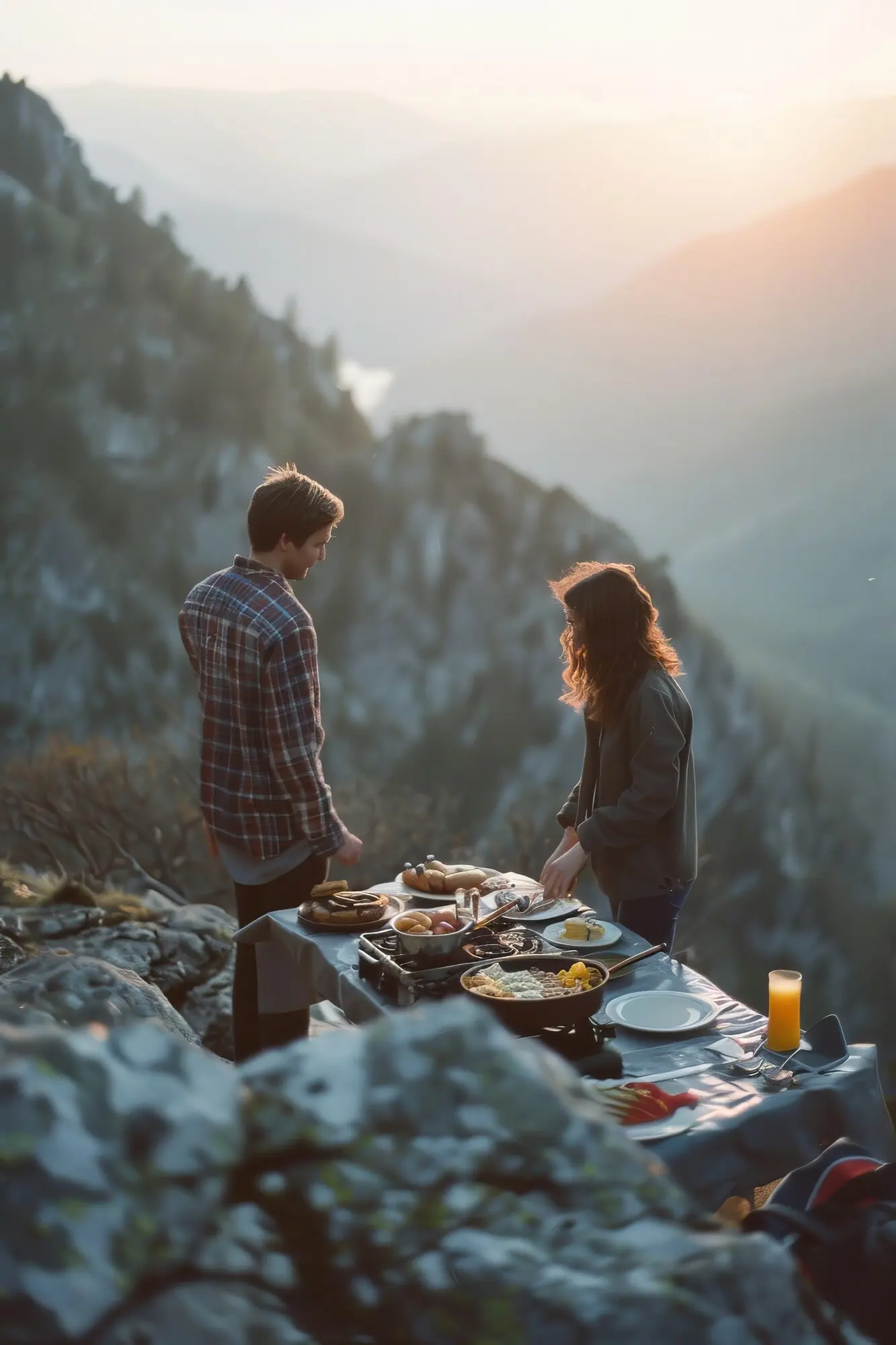
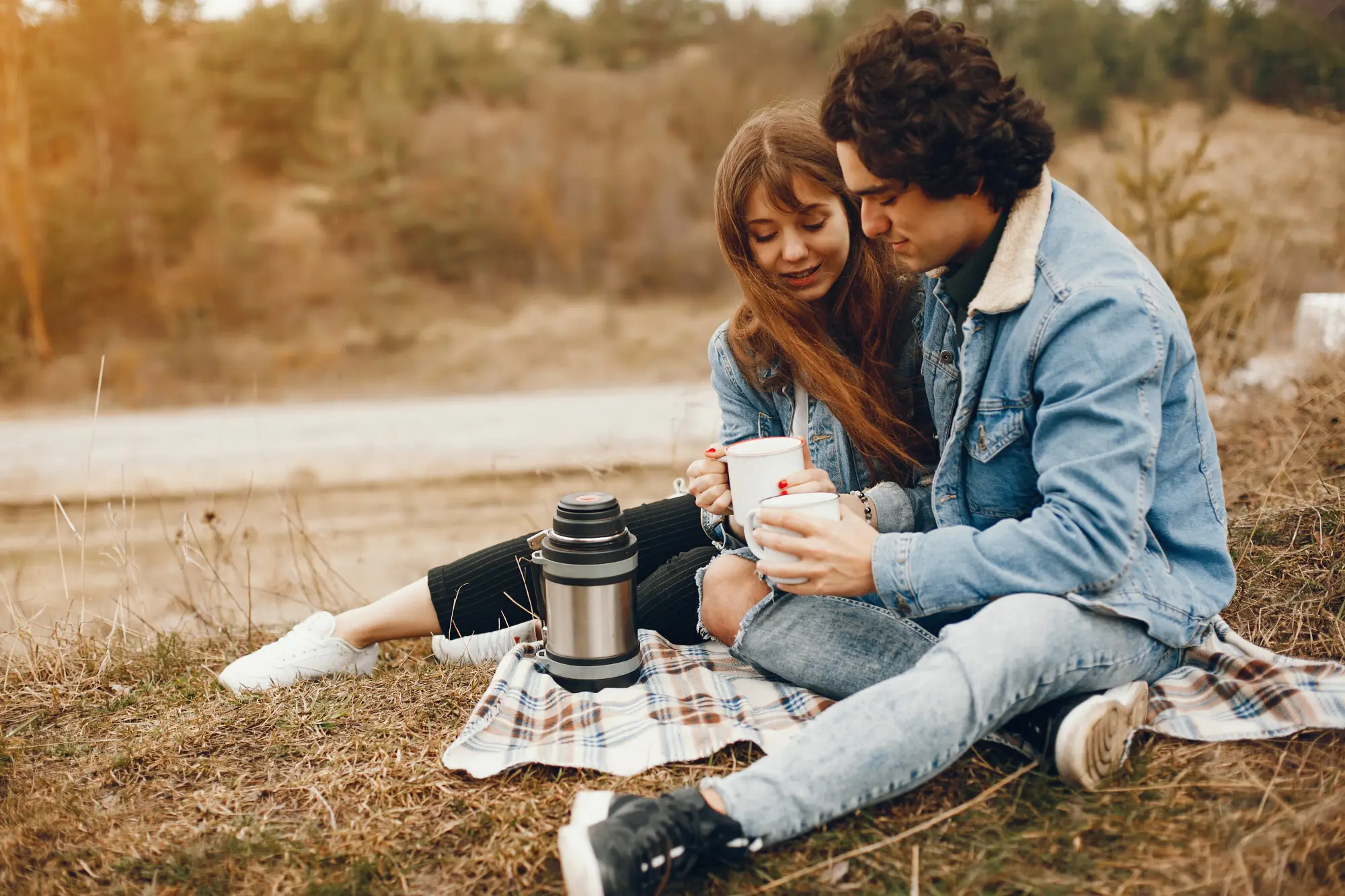
Prepare to shoot before the sky ignites. Keep gloves that permit fiddly buttons, stash a microfiber cloth to tame dew, and switch to RAW for resilient adjustments. Stabilize against a rock instead of unfurling a tripod in wind. Think foreground: mugs steaming, oatcakes stacked, boots dusted with grit. Expose for highlights, then lift shadows later. When the sun finally rims the plateau, take a breath, lower the camera, and let your breakfast carry the story that pixels alone cannot tell.